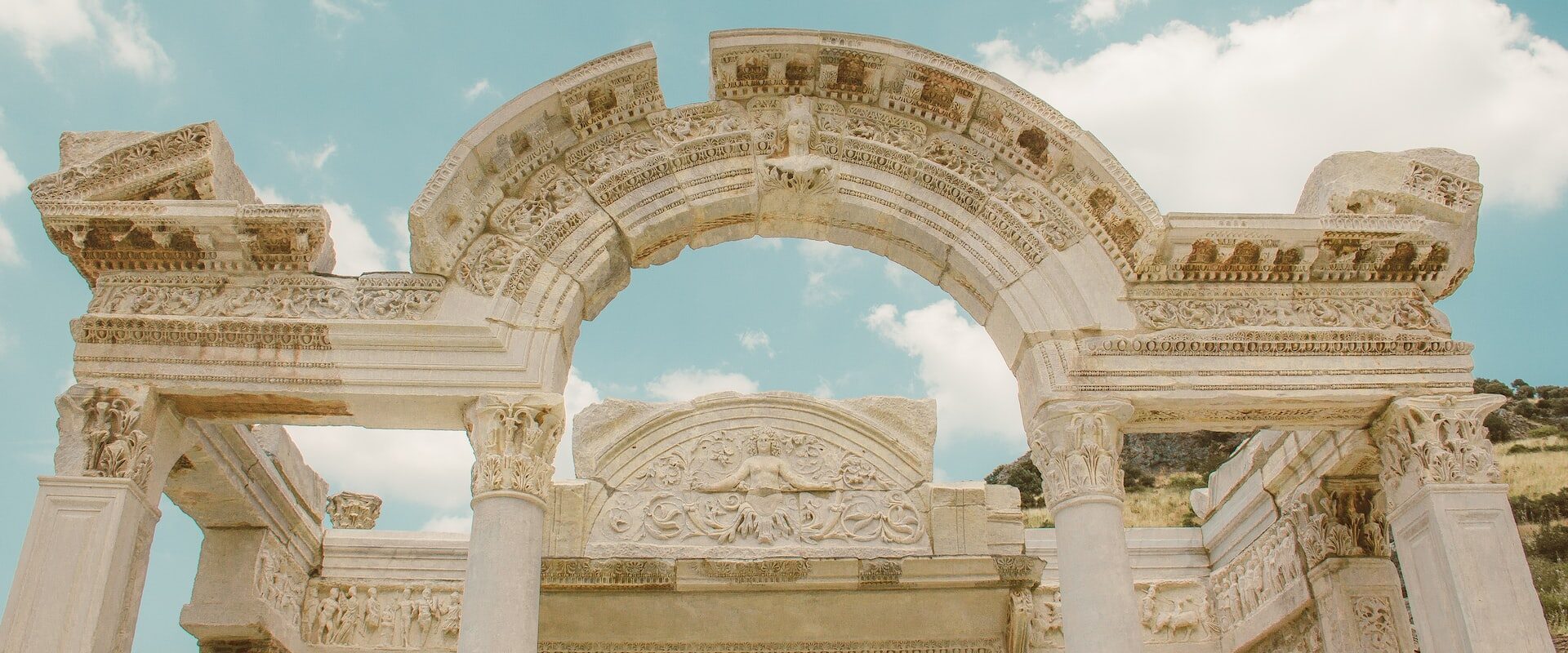
Beneath the calm surface of Torre del Mar lies a history far older than its beaches. Archaeology has revealed that this corner of the Axarquía was, centuries ago, a vital enclave for Phoenicians, Romans, and Muslims. Every fragment unearthed—amphorae, coins, remains of dwellings, or ceramics—speaks of a past that resists oblivion and turns the modern town into a palimpsest of civilizations.
Around the mouth of the Vélez River lie the remains of Maenoba, the Roman settlement that gave rise to the area. Its ruins confirm intense commercial and agricultural activity, driven by the nearby sea and fertile lands. Archaeologists have documented kilns, baths, fish-salting factories, and mosaics that paint a vivid picture of daily life on the Malaga coast two thousand years ago.
The Phoenician legacy also endures in the Toscanos site, one of the most important in the western Mediterranean. From there, early trade routes connected East and West, leaving the region with a heritage of immense historical value.
Today, these places form part of Torre del Mar’s cultural identity. They are not merely ruins, but witnesses linking the modern, touristic present with a millennia-old heritage. Those who walk its streets or gaze at the horizon may not realize that beneath their feet rest centuries of history explaining why this land has always been a meeting point for trade and civilization.